Introduction to AI Model Context Protocol
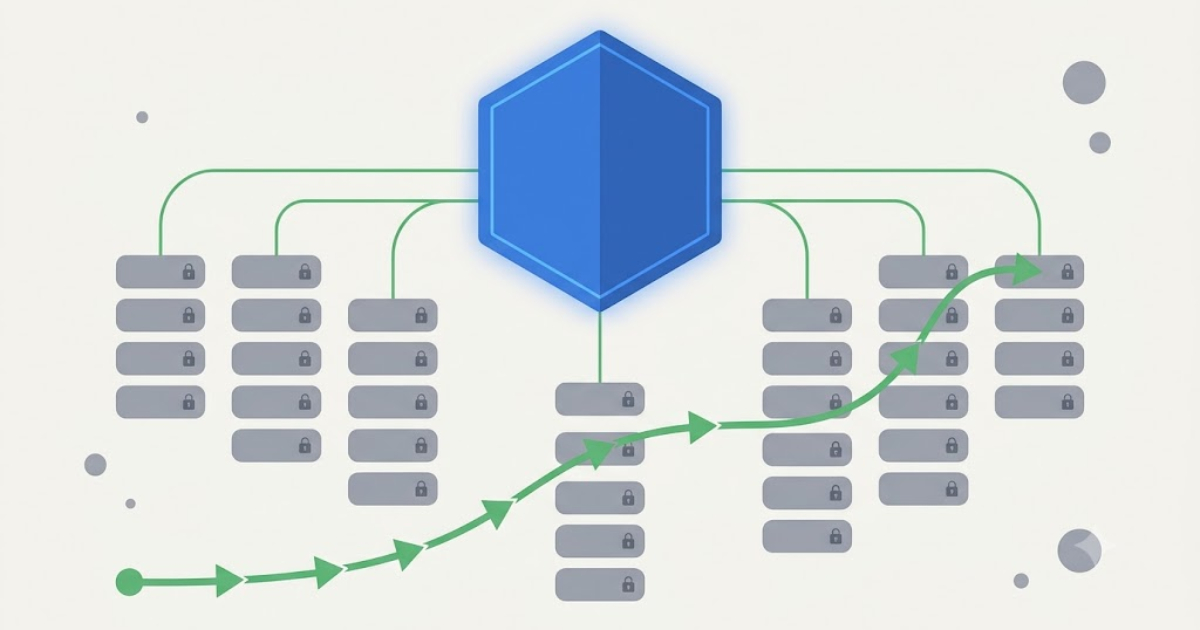
The AI Model Context Protocol team has announced the promotion of its Enterprise-Managed Authorisation extension to stable status. This new extension adds a centralized way for organisations to control access to MCP servers through their identity provider. The project aims to replace per-server consent prompts with a zero-touch flow in which users sign in once and then access approved servers without further setup. The AI Model Context Protocol is a crucial component of enterprise AI infrastructure, and this new extension enhances its security and usability. According to the source article from InfoQ, the development of this extension is a significant step forward for the AI Model Context Protocol.
Benefits of Centralized Auth for Enterprise Security
The addition of centralized auth to the AI Model Context Protocol enhances enterprise security by providing a single point of control for access to MCP servers. This eliminates the need for per-server consent prompts, streamlining the process and reducing the risk of unauthorized access. The zero-touch flow enables users to access approved servers without further setup, improving productivity and efficiency. Organisations can now manage access to sensitive data and models more effectively, ensuring that only authorized users can access them. For example, in the healthcare industry, centralized auth can help protect sensitive patient data by controlling access to AI models used for medical research and diagnosis.
Adoption of the Enterprise-Managed Authorisation Extension
Anthropi has adopted the Enterprise-Managed Authorisation extension, demonstrating the potential for widespread adoption of this new feature. As more organisations adopt the extension, the benefits of centralized auth will become more apparent, and the security of AI model access will be enhanced. The adoption of this extension is a significant step towards improving the overall security posture of organisations that rely on AI models. Other organisations, such as those in the finance industry, can also benefit from the enhanced security and productivity provided by the Enterprise-Managed Authorisation extension.
Technical Explanation of the Extension
The Enterprise-Managed Authorisation extension uses a centralized identity provider to manage access to MCP servers. This allows organisations to control access to sensitive data and models, ensuring that only authorized users can access them. The extension also provides a zero-touch flow, enabling users to access approved servers without further setup. The technical implementation of the extension is designed to be seamless and intuitive, making it easy for organisations to integrate it into their existing infrastructure. For developers, the extension provides a straightforward way to implement centralized auth, reducing the complexity and risk associated with custom implementations.
Impact on the AI Ecosystem
The addition of centralized auth to the AI Model Context Protocol has significant implications for the AI ecosystem. It enhances enterprise security, streamlines access to AI models, and improves productivity. As the use of AI models becomes more widespread, the need for secure and efficient access to these models will become increasingly important. The AI Model Context Protocol, with its new Enterprise-Managed Authorisation extension, is well-positioned to meet this need. For more information on AI models and their applications, visit the AI model hub at https://huggingface.co/models.
Regulatory Angle
The addition of centralized auth to the AI Model Context Protocol also has regulatory implications. Organisations that adopt the extension will be better equipped to comply with regulations related to data security and access control. This is particularly important in industries such as healthcare and finance, where sensitive data is often involved. The extension helps organisations to demonstrate compliance with relevant regulations, reducing the risk of non-compliance and associated penalties. For example, the General Data Protection Regulation (GDPR) in the European Union requires organisations to implement robust data protection measures, including access controls and authentication mechanisms.
Operational Consequences
The operational consequences of adopting the Enterprise-Managed Authorisation extension are significant. Organisations that adopt the extension will need to configure their identity providers and MCP servers to work together seamlessly. This may require significant changes to existing infrastructure and processes. However, the benefits of centralized auth and zero-touch flow make the effort worthwhile. Organisations should carefully evaluate the operational implications of adopting the extension and plan accordingly. This may involve updating existing security policies, training personnel, and testing the implementation to ensure smooth operation.
User Risk
The user risk associated with the AI Model Context Protocol and its new extension is low. The protocol is designed to provide secure and efficient access to AI models, and the addition of centralized auth enhances this security. However, as with any new technology, there is a risk of unintended consequences or unforeseen vulnerabilities. Organisations that adopt the extension should carefully evaluate the risks and benefits before implementing the new feature. Users should also be aware of the potential risks and take steps to protect themselves, such as using strong passwords and keeping their systems up to date.
Conclusion
The AI Model Context Protocol has added a significant new feature with its Enterprise-Managed Authorisation extension. The addition of centralized auth enhances enterprise security, streamlines access to AI models, and improves productivity. As the use of AI models becomes more widespread, the need for secure and efficient access to these models will become increasingly important. The AI Model Context Protocol, with its new extension, is well-positioned to meet this need. To learn more about the latest developments in AI and ML, read the original article at https://www.infoq.com/news/2026/07/mcp-ema-enterprise-auth/. The future of AI model access and security will depend on the continued development and adoption of protocols like the AI Model Context Protocol.
Related coverage
- Amazon Ends New Customer Sign-ups for Mechanical Turk
- X Unveils Hosted MCP Server for Seamless AI Integration
- White House Delays OpenAI GPT 5.6 Release Over Safety Concerns